Following the THREE C Network Conference, the partners of the newly starting C5 project – Carbon Conversion Cycles: From Cultivation to Construction came together for a first kick-off exchange in Kassel.
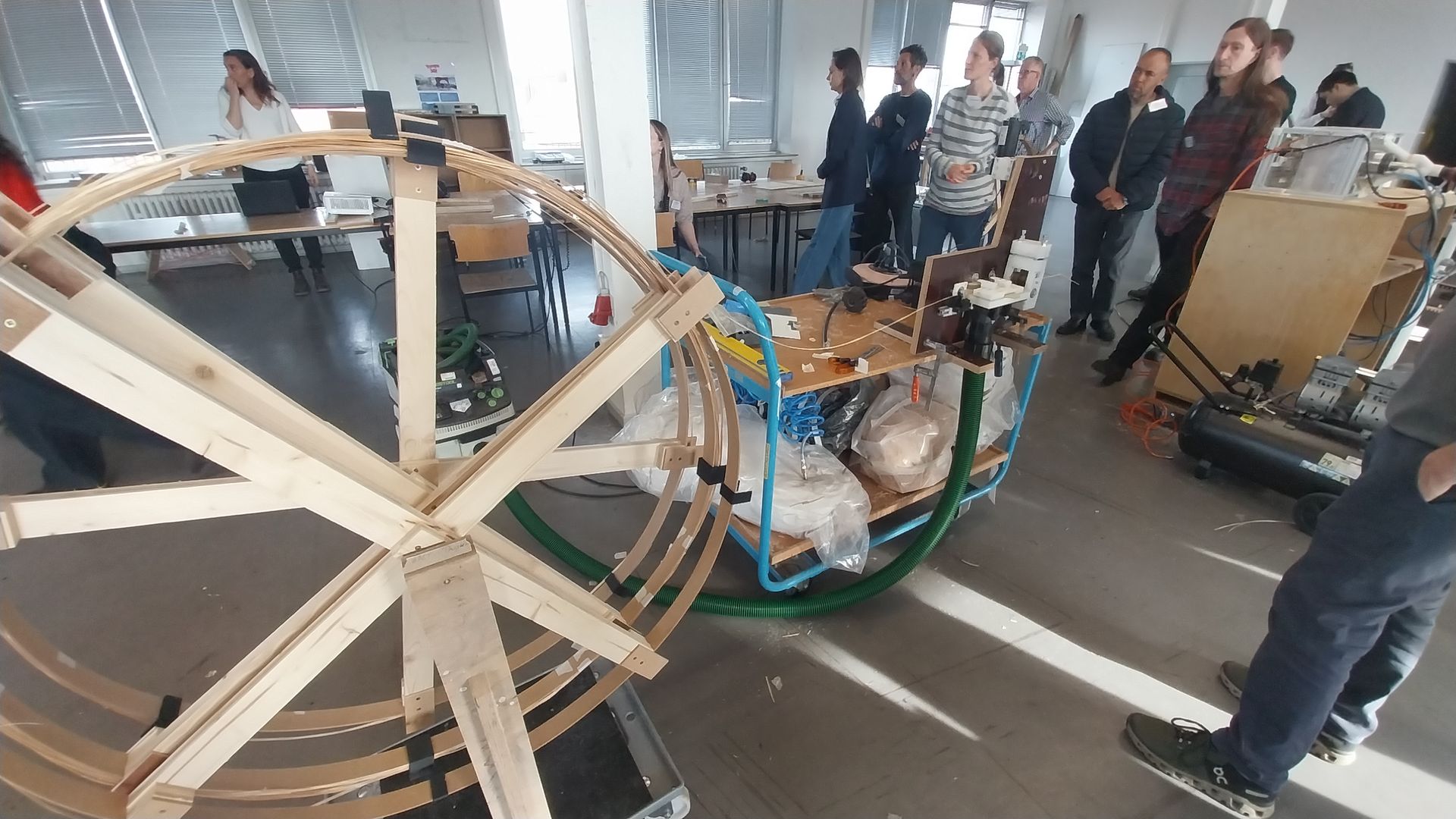
The meeting took place on 17 April 2026 at Atelier BAU KUNST ERFINDEN and provided an important opportunity to move from the wider conference context into the practical starting phase of the project.
For many partners, this was the first opportunity to meet in person, introduce their institutional backgrounds and share their regional perspectives. This was especially valuable because C5 brings together a wide range of expertise, including cultivation, hemp production, willow and woody biomass, biochar, construction materials, land remediation, training, circular economy and regional development.
Building a common project vision
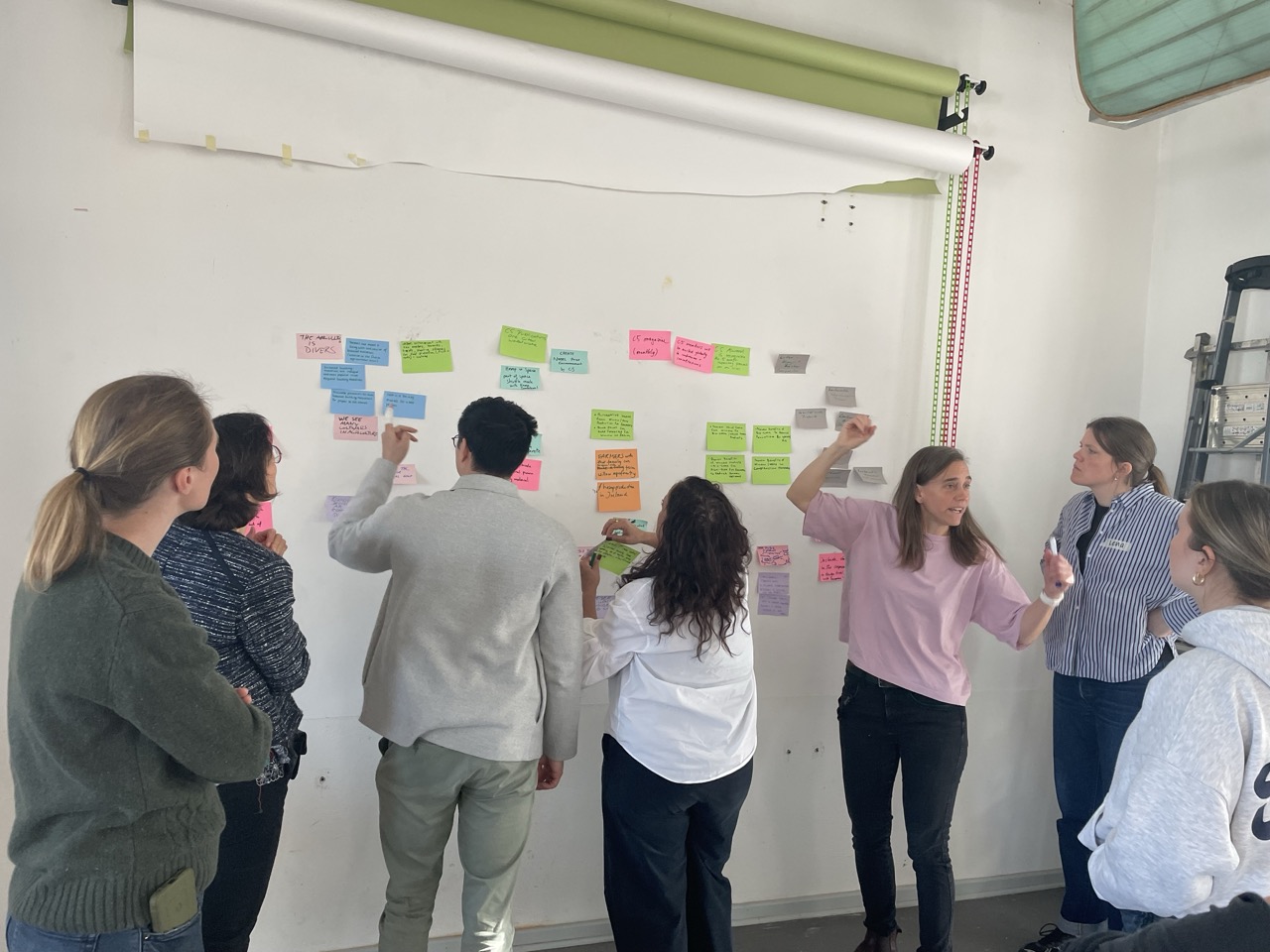
A central part of the kick-off was the development of a shared understanding of what C5 should achieve. Partners reflected on the question:
Five years from now, if C5 has become a real success, how would we recognise it?
This discussion helped the partnership move beyond formal project objectives and think about the practical change C5 should create in regions, markets and communities.
One emerging idea was that C5 should develop stronger rural-urban connections — described in the discussion as possible C5 hubs. These hubs could bring together farmers, industries, consumers, public authorities and policymakers around practical circular carbon value chains.
A refined version of this shared ambition could be:
C5 aims to create measurable added value by developing rural-urban connections that support farmers, industries, communities and policymakers in building circular Cultivation-to-Construction value chains.
From partner expertise to regional pilot ideas
The kick-off also showed how diverse the local starting points of C5 are.
Some regions are exploring hemp cultivation, including its potential for fibre production, construction materials, insulation and phytoremediation. Others are focusing on willow and woody biomass as scalable resources for circular material applications. Biochar also plays an important role, particularly in relation to construction additives, water management, soil improvement, purification and climate-resilient urban design.
These local project ideas are not separate activities. They form the practical foundation of C5. By testing different cultivation systems, feedstocks, processing methods and application fields, the project can develop transferable models for circular carbon value chains across North-West Europe.
Organising cooperation from the start
The kick-off also helped set up the first practical steps of cooperation. Partners discussed how to continue exchange through regular online meetings, future face-to-face meetings and shared digital working spaces.
This organisational foundation is important because C5 is not only a technical project. It is also a cooperation project. Its success depends on whether partners can connect regional pilot activities, stakeholder networks, training, communication and long-term uptake into one shared approach.
Looking ahead
The Kassel kick-off marked an important first step for C5. It helped the partnership build trust, clarify shared ambitions and translate the project idea into first regional pathways.
The coming months will focus on further developing the local pilot concepts, strengthening cooperation between partners and preparing the first concrete steps towards a transnational Cultivation-to-Construction strategy.
With this start, C5 begins its journey from project concept to practical implementation — connecting cultivation, conversion, construction and cooperation from the very beginning.